How do I select the right linemarking coatings?
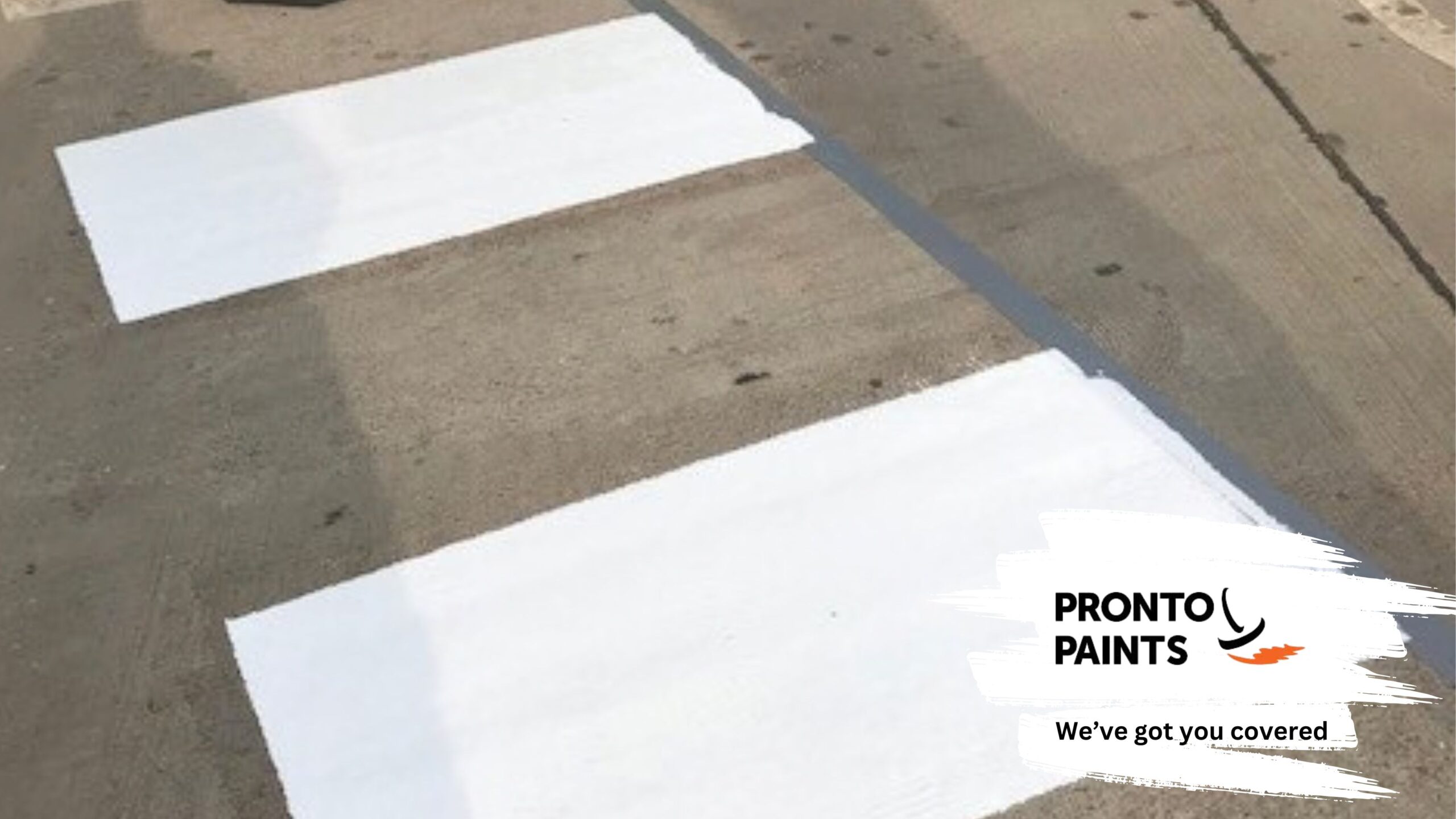
Selecting the right linemarking coating is about more than choosing a colour. The coating needs to be appropriate for the surface, the level of traffic, the environment and the time available for application and drying.
A warehouse floor used by forklifts presents very different challenges to an external car park, while a pedestrian walkway may have different requirements again.
The good news is that there are specialist linemarking coatings available for a wide range of applications. The key is matching the product to the job.
Warning: The cheapest coating may not provide the lowest cost
It can be tempting to compare linemarking products purely on their purchase price per litre. However, the cost of linemarking needs to be considered over its maintenance life.
A coating that costs less initially but wears quickly may require more frequent repainting. Every additional application brings its own material, labour, preparation and downtime costs.
A more durable system may therefore be appropriate in heavily trafficked areas, while a fast-drying single-pack product may make more sense where rapid return to service is the overriding requirement.
The specification should consider the whole-life cost of the linemarking, rather than simply the initial cost of the paint.
What should I consider when selecting a linemarking coating?
Before choosing a product, consider these important questions:
- What surface is being marked?
- How much traffic will it receive?
- Is the application internal or external?
- How quickly does the area need to return to service?
- What chemicals, oils or contaminants could the coating encounter?
- Does the area require additional slip resistance?
- How long does the marking need to remain durable and highly visible?
- What level of surface preparation is possible?
- How will the coating be applied?
- What is the whole-life cost rather than simply the purchase price?
The answers will help determine whether a water-based, single-pack or two-pack system is most appropriate.
Water-based linemarking coatings
Water-based coatings can be a good choice where solvent-based products are unsuitable or where reducing solvent use is an important consideration.
Pronto’s ST1K range includes two water-based options:
ST1Kgrip
ST1Kgrip combines waterborne credentials with slip-resistant properties, fast drying and quick return to service.
This makes it particularly suited to applications where pedestrian safety and rapid access are important considerations.
It can therefore be considered for areas such as pedestrian walkways, access routes and other surfaces where additional slip resistance may be required.
ST1Kline
ST1Kline is a water-based coating designed for linemarking on new tarmac. It is fast drying, rain resistant after 40 minutes and has good adhesion to existing single-pack linemarking.
This makes it particularly useful for external applications where the substrate and weather conditions need to be considered.
Single-pack linemarking coatings
Single-pack systems can provide a useful balance between durability, ease of application and rapid return to service.
Epoxy Ester Roadline
Pronto’s 160:006 Epoxy Ester Roadline is a durable single-pack epoxy ester coating available in white, yellow, black and other colours.
It is suitable for application using airless spray equipment and lining machines, making it appropriate for larger linemarking projects where application speed and consistency are important.
Chlorinated Rubber Linemarking Paint
Pronto’s 400:409 Chlor Rubber Linemarking Paint is another single-pack option.
It is particularly suited to applications where very fast drying is important, with Pronto highlighting its suitability for getting car parks back into service quickly. It can be used on concrete, paving and tarmac and is available in white, yellow and black.
This makes it an option where a straightforward, fast-drying linemarking system is required across common external substrates.
Two-pack epoxy for demanding applications
Where linemarkings are going to experience particularly demanding conditions, a two-pack epoxy system may be the more appropriate choice.
2 Pack Epoxy Roadline
Pronto’s 101:302 2 Pack Epoxy Roadline is designed for applications where a longer maintenance life is required.
It is intended to withstand constant traffic and provides resistance to oil, petrol and diesel. It is also available in a wide range of colours.
This makes it particularly relevant to areas where linemarkings are subjected to sustained vehicle traffic or exposure to oils and fuels.
Examples could include:
- Heavy-traffic warehouse areas
- Factory floors
- Vehicle yards
- Loading and unloading areas
- Areas exposed to oil or fuel
- Other locations where extending maintenance intervals is a priority.
Check out the linemarking range here.
What is the best Pronto linemarking coating by application?
There is no single “best” linemarking coating for every application.
Instead, the most appropriate product depends on what the marking needs to achieve.
| Application requirement | Product type to consider | Why |
| Water-based system required | ST1Kgrip / ST1Kline | Waterborne options with fast drying characteristics |
| Pedestrian areas requiring slip resistance | ST1Kgrip | Slip-resistant properties and quick return to service |
| New tarmac | ST1Kline | Specifically suited to new tarmac |
| Fast-drying general linemarking | Chlor Rubber Linemarking Paint | Very fast drying and suitable for concrete, paving and tarmac |
| Larger areas requiring efficient application | Epoxy Ester Roadline | Suitable for airless spray and lining machines |
| Durable single-pack system | Epoxy Ester Roadline | Durable epoxy ester formulation |
| Constant traffic and demanding conditions | 2 Pack Epoxy Roadline | Long maintenance life and resistance to oil, petrol and diesel |
These products are all part of Pronto’s current linemarking range, which includes water-based, single-pack and two-pack systems.
Check out the linemarking range here.
Where next?
Read the following articles in our linemarking series: