The main challenges in specifying and applying specialist linemarking coatings?
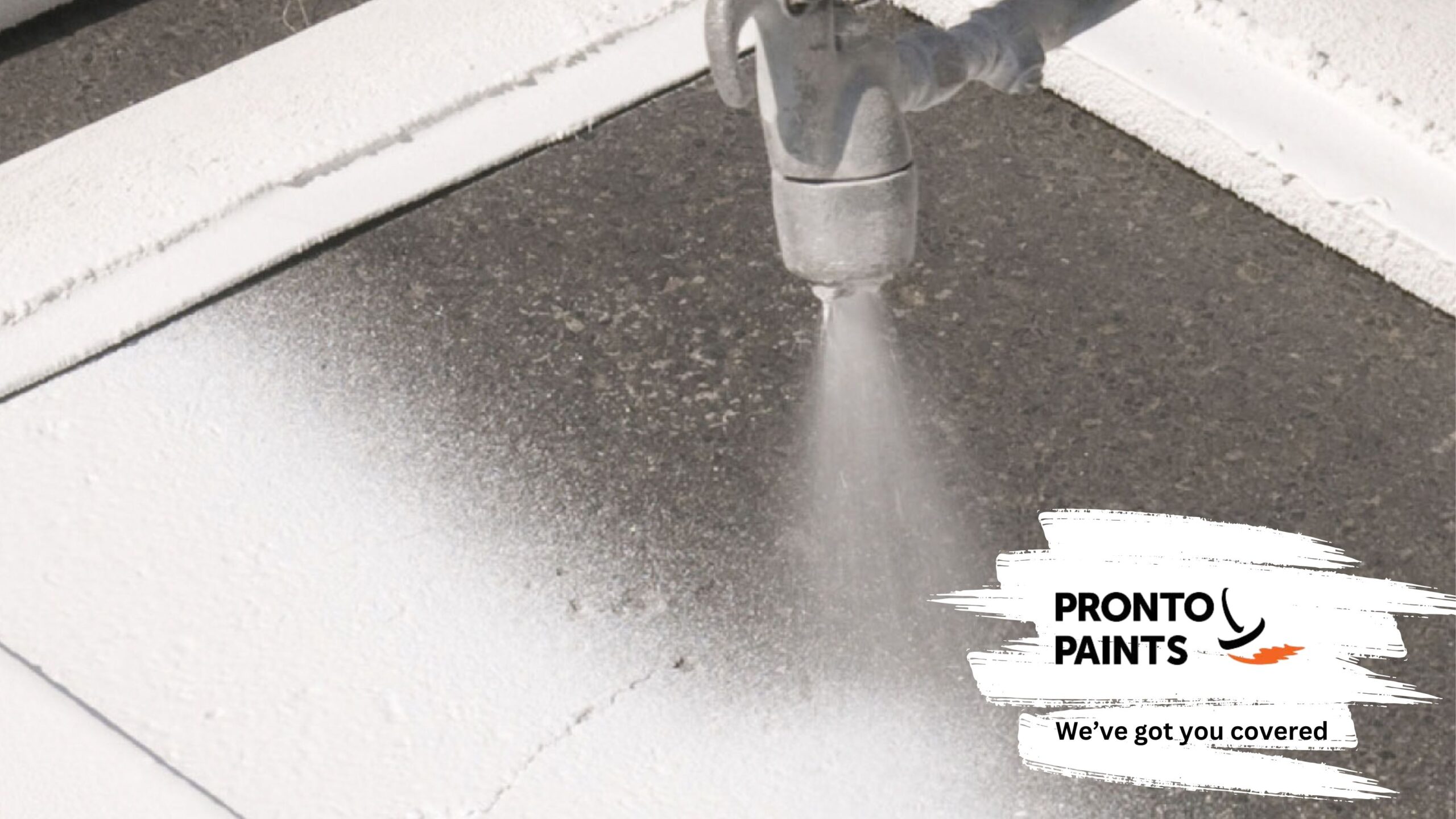
Linemarking coatings have a deceptively demanding job. Whether they are being used to define traffic routes in a warehouse, separate pedestrian and vehicle areas, mark parking bays or identify loading and storage areas, the markings need to remain clearly visible while withstanding the environment and traffic they are exposed to.
Choosing the right coating therefore involves considerably more than simply selecting a colour and applying it to the surface.
What are the main challenges in specifying and applying specialist linemarking coatings?
- Considerable wear and tear
One of the biggest challenges facing linemarking coatings is the amount of traffic they can experience.
Internal markings in factories and warehouses may be exposed to constant foot traffic, forklift trucks, pallet trucks and other mobile equipment. External markings can face cars, vans, HGVs and other heavy vehicles, as well as the additional effects of weather.
Tyres turning, braking and accelerating over marked areas can be particularly demanding. Loading bays, junctions, pedestrian crossings and other high-traffic areas can therefore experience significantly more wear than quieter parts of a site.
- Durability and visibility go hand in hand
Durability is important, but the purpose of linemarking is not simply to remain physically present. It needs to remain visible and recognisable throughout its service life.
HSE guidance recommends that road markings are renewed when they fade, while workplace traffic routes and pedestrian areas should be clearly marked where appropriate.
This makes colour retention and resistance to wear important considerations when specifying a coating.
White, yellow and other coloured markings need to remain sufficiently distinct from the surrounding surface. Dirt, tyre marks, abrasion, weathering and general contamination can all gradually reduce their visual impact.
For external applications, factors such as UV exposure, rain, temperature changes and general weathering also need to be considered.
- The substrate can be just as important as the coating
A high-performance linemarking coating cannot compensate for a poorly prepared substrate.
Linemarking may be applied to a wide range of surfaces, including concrete, tarmac, weathered blacktop, paving, brick and existing painted surfaces. Pronto’s current linemarking range, for example, includes products intended for these different substrates.
Each substrate presents its own challenges.
Concrete can contain contamination, curing compounds, dust or other residues that affect adhesion. Tarmac can vary considerably in condition and composition, while previously painted surfaces may contain loose or poorly adhered coatings.
The surface therefore needs to be assessed before application.
- Internal and external applications have different requirements
It is important not to treat all linemarking applications as the same.
An internal factory floor may be protected from rain and UV exposure but subjected to intensive forklift traffic, chemical contamination and frequent cleaning.
An external yard or car park may have to withstand vehicle traffic alongside rain, frost, temperature fluctuations and prolonged exposure to the elements.
The same coating may not be the most appropriate choice for both situations.
- Slip resistance may also need to be considered
Some areas require linemarkings to provide more than visual demarcation.
Pedestrian walkways, ramps, steps and areas where contamination or moisture could affect underfoot grip may require consideration of the slip resistance of the coating system.
This can influence both the choice of coating and the way it is applied.
The intended use of the marked area should therefore be considered before simply specifying a standard smooth linemarking paint.
- Chemical and contamination resistance can be important
Some linemarkings are exposed to more than traffic.
Factories, workshops, warehouses and vehicle areas can encounter oils, fuels, cleaning chemicals and other contaminants. External areas may also be exposed to dirt, salt and other environmental contamination.
Where this is expected, the coating needs to provide an appropriate level of resistance.
It is important to specify the coating around the environment in which it will actually be used.
The key is to specify the coating around the surface, environment, traffic and operational requirements, rather than treating linemarking as simply another paint application.
Check out the linemarking range here
Where next?
Read the following articles in our linemarking series