How do I prepare skips and waste containers for painting with a specialist industrial coating?
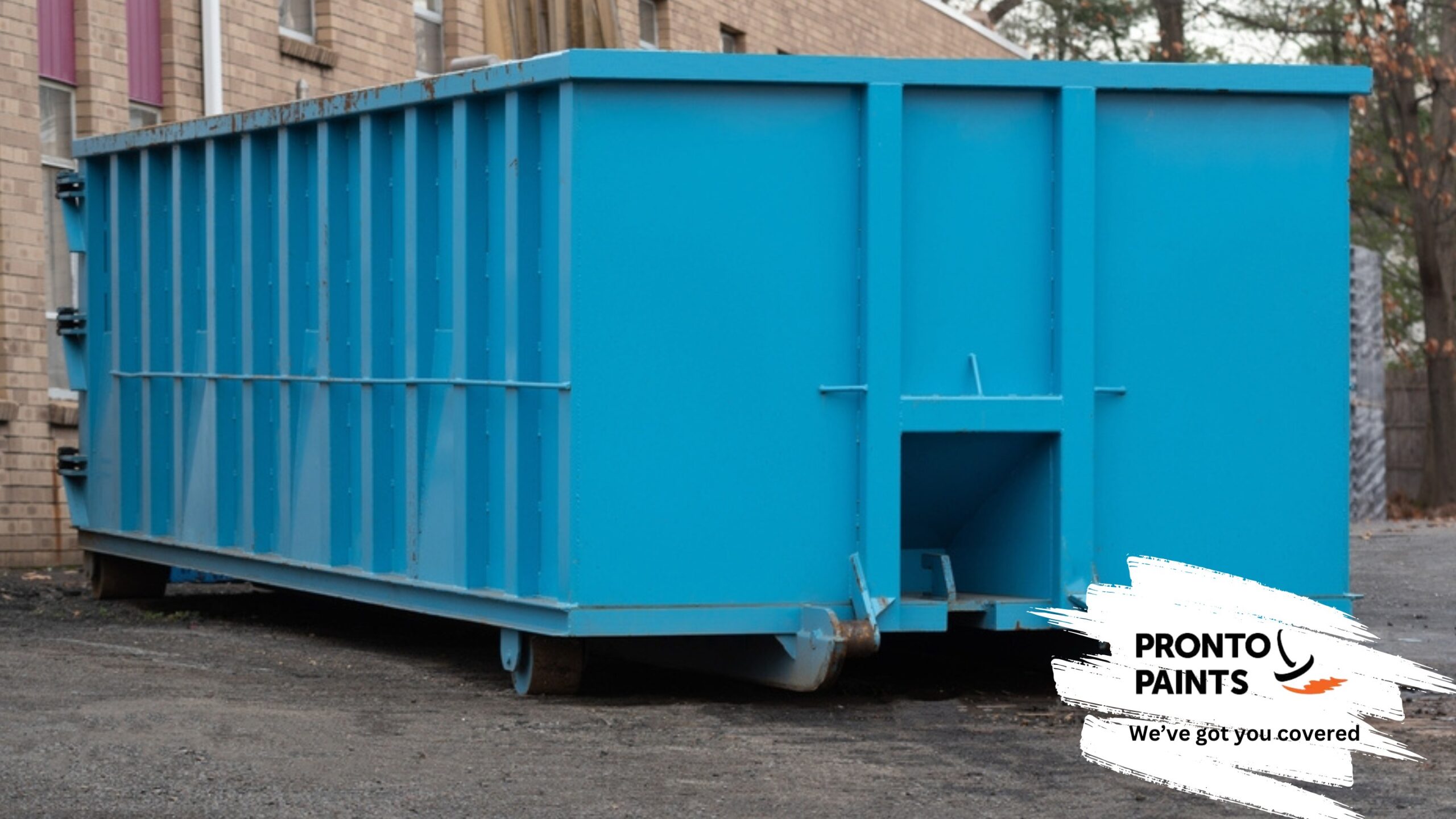
Proper surface preparation is the single most important step in achieving a long-lasting, professional finish on skips and waste containers.
Even the best industrial coatings will fail if applied to a contaminated, rusty, or poorly prepared surface.
Whether you’re refurbishing a skip in a busy yard or coating new containers in production, preparation determines coating adhesion, durability, and overall appearance.
Here’s a best-practice guide to preparing skips and containers before applying a specialist industrial coating.
1. Start with a thorough clean
Why it matters:
Skips and waste containers are constantly exposed to dirt, oil, grease, and debris. These contaminants prevent coatings from bonding properly and can cause early blistering or peeling.
Steps to take:
- Use a pressure washer or steam cleaner to remove heavy soiling, dried waste, and surface grime.
- Focus on seams, welds, lifting lugs, and internal corners where dirt tends to collect.
- Allow the container to fully dry before moving to the next stage.
For stubborn contamination (such as oil or grease), use a degreasing solvent and clean rags to ensure all residues are removed.
2. Degrease the surface
Why it matters:
Oil, hydraulic fluid, and diesel residues are common in waste handling environments. If left on the surface, they’ll prevent proper adhesion and lead to coating failure.
Steps to take:
- Apply a suitable degreaser or solvent cleaner evenly across all surfaces.
- Allow time for it to lift residues, then wipe clean using lint-free cloths.
- Always work in small sections and change cloths frequently.
- Do not allow the degreaser to evaporate naturally as this can redeposit contaminants.
3. Remove rust and old coatings
Why it matters:
Loose or flaking rust and old paint compromise adhesion and appearance. A new coating will only perform as well as the surface beneath it.
Methods to use:
- Wire brushing or sanding: Ideal for light rust or small areas.
- Mechanical grinding: Removes thicker layers of corrosion or coating.
- Shot blasting or grit blasting: The best option for heavily corroded skips and full refurbishments, creating a clean, textured surface ready for painting.
Surface profile:
Aim for a clean, bright metal finish with a surface profile of 25–50 microns to help primers key into the substrate effectively.
4. Check for structural damage and weld integrity
Why it matters:
Coating over cracks, weak welds, or deformed steel is a short-term fix. These defects will cause coatings to fail prematurely and may compromise container strength.
Steps to take:
- Inspect welds and joints for cracks, pinholes, or corrosion.
- Repair or re-weld as necessary before painting.
- Grind back sharp edges and splatter to create a smooth, even surface.
5. Inspect and prepare existing coatings (if not fully stripped)
Why it matters:
Not all containers require full stripping. If the existing coating is still well-bonded, it can often be overcoated after appropriate preparation.
Steps to take:
- Check for any flaking, blistering, or rust bleed-through.
- Sand or abrade glossy or smooth coatings to create a key for new paint.
- Spot prime any exposed metal areas with an appropriate primer before applying the finish coat.
6. Final cleaning and dust removal
Why it matters:
Dust or loose debris left on the surface will interfere with the coating’s adhesion and final appearance.
Steps to take:
- Use compressed air, vacuum tools, or clean, dry cloths to remove all traces of dust.
- As a final step, wipe surfaces with a tack cloth or lint-free rag lightly dampened with degreaser to remove fine particles before coating.
7. Apply the correct primer and topcoat system
Once surfaces are clean, dry, and properly profiled, apply the appropriate industrial coating system for your container type and working environment.
The right coatings for the job
Pronto Paints has developed a dedicated range of industrial coatings for skips, waste containers, and recycling equipment, designed to protect against the harshest working environments.
Recommended products include:
- 210:032 Quick Drying (QD) Ultra High Solids Primer Finish: Single pack alkyd offering excellent durability for high volume OEMs.
- 207:401 QD High Solids Semi Gloss Primer Finish: Compliant high sheen primer / finish with high build and anti-corrosive pigmentation.
- 203:042 QD Sheen Primer Finish: Quality fast drying high sheen finish with anti-corrosion protection.
- 100:006 2 Pack Epoxy Primer: Provides excellent corrosion resistance on bare steel.
- 100:100 2 Pack Epoxy Finish: Hard-wearing, chemical-resistant topcoat ideal for waste handling and container refurbishment.
- 370:000 2 Pack Direct to Metal (DTM): Ideal for quick-turnaround container repainting, combining primer and finish in one.
Final thoughts
Waste and container assets face relentless wear, corrosion, and chemical attack, yet they’re expected to perform safely and reliably every day.
Using high-quality, industrial-grade coatings designed for the sector is the best way to protect your investment, minimise maintenance, and present a professional image.
With over 35 years of experience supplying coatings to the waste and container industry, Pronto Paints can advise on the most effective system for your application, environment, and maintenance schedule.
Explore our full range of skip and container coatings here.
Want to book a callback or arrange a coating trial with one of our experts?
Click to our contact page / or send us an email.
Recommended reading
- What are the main challenges in waste and container maintenance that create a need for high-quality industrial coatings?
- What are the benefits of using specialist industrial coatings for skips, bins and containers?
- How do I select the right coating for skips and waste containers?